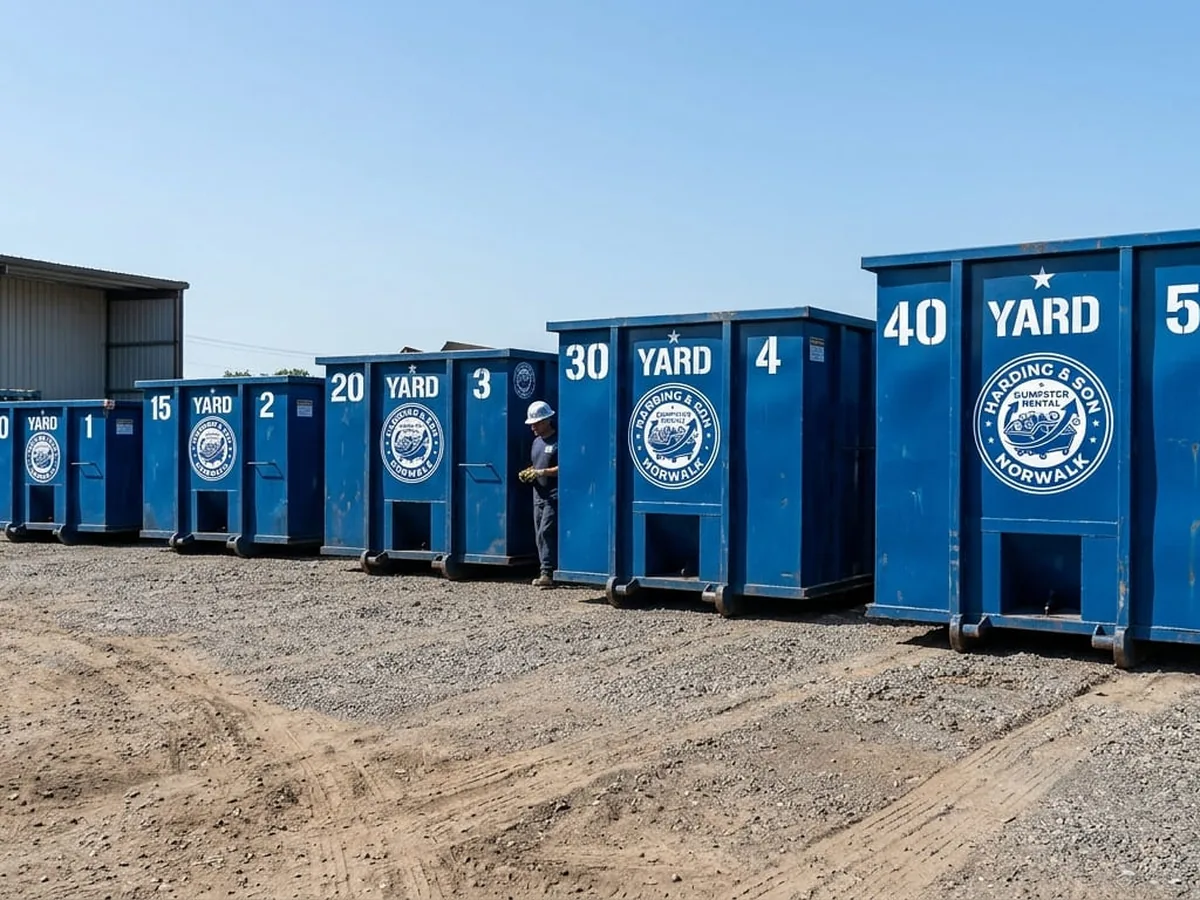
Dumpster Size Guide for Norwalk: Picking Between 10, 15, 20, 30, and 40 Yards
Volume and weight are two separate limits on any roll-off dumpster. Here's how to match a size to your Norwalk-area project without overpaying or running out of room.
ReadEstate & Moving Cleanouts guide
Clearing a home after a loss or a move doesn't have to be rushed - here's how to sort keepsakes and donations first, size a container for a full house, and what needs to be set aside before it goes in the dumpster.

Clearing a home after a loss, or ahead of a move into a smaller place, is different from every other kind of cleanout - it's not about speed, and it's not just logistics. Furniture, boxes of papers, and a garage full of tools all carry weight beyond their physical weight. This guide is meant to make the practical side of the job - sizing a container, sorting what matters from what doesn't, and knowing what needs separate handling - as simple as possible, so that part isn't competing for attention with everything else going on.
Estate cleanouts get rushed for all kinds of reasons - a closing date on the house, family traveling in from out of town for a limited window, or just wanting to be done with a hard task. But a dumpster rental itself is flexible: the container can sit in the driveway for as long as it's rented for, and there's no requirement to fill it in one weekend of frantic sorting. If it makes sense to go through the house in stages over a couple of weeks - bedrooms one weekend, the garage and basement the next - that's a completely normal way to do it. The container doesn't care about the pace; it's just there when you're ready to use it.
The most common regret in estate cleanouts isn't about what stayed - it's about something that got tossed too fast in the middle of a big push to clear a room. A few habits help avoid that:
None of this needs to happen before the dumpster arrives - it's fine to have the container on site while sorting is still happening in the house. Having it there just means that once something's decision is made, it can go straight out rather than piling up in a garage or driveway waiting for "cleanout day."
Most full-house estate cleanouts land in the 20-30 yard range, with the deciding factors being the size of the home and how much is being cleared versus kept or donated.
| Situation | Typical size |
|---|---|
| Single room or garage/basement only | 10-15 yard |
| Full house, moderate amount kept or donated | 20 yard |
| Full house, most contents going, multiple floors | 30 yard |
Homes with a lot of furniture, especially older solid-wood pieces, tend to fill a container faster by weight than by volume, similar to a roofing job - worth mentioning furniture-heavy rooms when you call so the size accounts for it.
Estates often include decades of accumulated household items, some of which need separate handling rather than going in with general debris:
For the complete rundown on what's accepted and what needs separate handling, see our guide on what can and cannot go in a dumpster - it's worth a read before the cleanout starts so these items can be set aside from the beginning rather than discovered mixed into a load partway through.
When a house feels overwhelming to start on, working room by room in a consistent order helps more than trying to tackle everything at once:
There's no pressure to have it all figured out before calling - if you just know roughly what kind of home it is and how much is likely staying versus going, that's enough to get a size recommendation and get a container scheduled. Call (475) 242-2874 when you're ready, whether that's this week or after you've had time to go through things at your own pace.
It's common for estate cleanouts to involve family members who don't live in the Norwalk area, sometimes coordinating decisions by phone or over a shared video call while someone local handles the physical work. In that situation, having the dumpster on site for a longer stretch rather than a tight weekend rental gives everyone room to weigh in before things leave the property for good. If a sibling or other family member wants to see a room before it's cleared, or needs a few extra days to get to Connecticut in person, the container isn't the constraint - it can simply wait in the driveway.
It also helps to designate one person as the point of contact for scheduling, even if several family members are involved in sorting decisions. Coordinating delivery, size changes, and pickup through one line of communication keeps logistics simple while the family handles the harder emotional decisions on its own timeline.
When an estate cleanout is happening ahead of listing the home for sale, there's often more time pressure than in a cleanout with no closing date attached. In that case, it helps to get the container scheduled early in the process rather than waiting until a closing date is looming, since a full-house cleanout paired with any repairs or staging work can take longer than expected once it's underway. Real estate agents in this market are generally used to advising on timing for this kind of work, and it's worth asking early whether the home will need to be fully cleared before photos and showings, or whether a partial cleanout is enough to get started.
Garages and basements tend to be the last rooms tackled in a sale-driven cleanout, since they're less visible to buyers than living spaces - but they're often where the heaviest, bulkiest items end up, from old furniture to tools and yard equipment. Leaving enough time in the schedule for those rooms, rather than rushing them at the very end, keeps the whole process from feeling like a scramble in the final days before listing.
Talk to a real person
Call (475) 242-2874 and describe the job. Flat price, stated tonnage allowance, and a delivery window on the same call.
Mon–Sat 7:00am – 7:00pm
From this guide
Most full-house cleanouts fall in the 20-30 yard range. A 20 yard usually works when a fair amount is being kept or donated; a 30 yard fits better when most of the home's contents are going and there are multiple floors to clear.
No. It's common to have the container on site while sorting is still happening inside the house - it just means that once a decision is made on an item, it can go straight out rather than sitting in a garage waiting for a separate cleanout day.
The container stays for as long as it's rented for, and there's no requirement to fill it in one push. Going through a home in stages - a room or area at a time over a couple of weeks - is a completely normal pace for this kind of job.
Household chemicals and paint, electronics, batteries, fluorescent bulbs, and propane or fuel containers all need separate handling rather than going in with general debris. See our guide on what can and cannot go in a dumpster for the complete list.
That's fine to call anyway. A rough sense of the home's size and how much is likely staying versus going is enough to get a size recommendation - it doesn't need to be precise, and the size can always be adjusted based on what you find once sorting starts.
Keep reading
Volume and weight are two separate limits on any roll-off dumpster. Here's how to match a size to your Norwalk-area project without overpaying or running out of room.
ReadFrom boards under the rails to marking your spot in advance, here's what actually protects your driveway when a roll-off dumpster gets delivered in the Norwalk area.
ReadSouth Norwalk's 19th-century buildings and narrow streets change how debris removal works. Here's what to plan for on a SoNo renovation, from sizing to street permits.
Read